When you hear “adult autism assessment,” the first image that pops up might be a white‑board filled with charts and a doctor’s clipboard. What’s less obvious is the financial maze that often surrounds it. For many adults, the promise of a diagnosis—an answer that can unlock support and understanding—collides with a stark reality: a lack of financial assistance programs. This article explores why adult autism assessment matters, how funding gaps create barriers, and practical ways to bridge the gap, all while keeping the tone professional, clear, and sprinkled with a touch of light humor.
Why Adult Autism Assessment Is Essential
The Hidden Costs of Not Getting Assessed
A diagnosis can feel like finding a missing puzzle piece. Without it, adults may unknowingly navigate life with unaddressed challenges, leading to:
- Job instability caused by misinterpreted social cues Relationship strain from misunderstood communication styles Mental health issues stemming from chronic stress
If you’re wondering whether it’s worth the investment, consider this: the cost of an assessment is often far less than the cumulative expenses of untreated symptoms. A single evaluation can unlock access to accommodations, therapy, and community resources that pay dividends for years.
“The greatest gift you can give yourself is the knowledge of who you are.” – Unknown
This quote captures the essence of assessment. Knowing your strengths and needs can transform everyday interactions, much like a GPS that reroutes you away from traffic jams.
Barriers Created by the Lack of Financial Assistance Programs
Insurance Gaps and Out‑of‑Pocket Expenses
Even in countries with universal health coverage, autism assessments are sometimes treated as “non‑essential” services. The result? High out‑of‑pocket costs that can range from a few hundred to several thousand dollars. Without a safety net, many adults skip the assessment entirely.
Societal Stigma and Misunderstanding
When financial aid is scarce, stigma often follows. People may assume that adults with autism are “just shy” or “overly sensitive,” dismissing the need for formal evaluation. This misconception perpetuates a cycle where lack of assessment leads to lack of support, which in turn reinforces stigma.
Practical Ways to Overcome Financial Hurdles
Leveraging Community Resources
Many local organizations and universities offer low‑cost or free assessments. Search for:
- University psychology departments that run clinics Community health centers with sliding‑scale fees Non‑profit groups focused on neurodiversity
Crowdfunding and Grants
The internet has turned fundraising into a social activity. Platforms like GoFundMe allow you to share your story and tap into the generosity of friends, family, and strangers. Additionally, look for:
- Research grants that cover diagnostic services Disability advocacy groups offering emergency funds
Negotiating with Providers
If you’re set on a particular clinic, don’t be afraid to ask for a payment plan or a discount. Many professionals are willing to accommodate, especially if you explain the financial strain caused by a lack of assistance programs.
- Ask about sliding‑scale options Inquire about bundled services that reduce overall cost Request a detailed cost breakdown before committing
Real‑World Success Stories
Anecdote: Jane’s Journey
Jane, a 34‑year‑old graphic designer, had always felt “off” in social settings. After a friend suggested an assessment, she found herself overwhelmed by the cost. Using a combination of university clinic services and a small grant, Jane received her diagnosis for $200—a fraction of the typical price. With the diagnosis, she secured workplace accommodations and joined a local support group, turning what once felt like a maze into a clear path forward.
Rhetorical Question: Have you ever wondered why some people seem to navigate life with ease while others stumble over the same challenges?
Jane’s story shows that, even when financial assistance programs are scarce, creative solutions can still pave the way.
The Road Ahead: Advocacy and Policy Change
What Can Individuals Do?
- Raise awareness: Share your story on social media or local events Lobby for funding: Contact legislators to support autism assessment grants Join advocacy groups: Collaborate with others to amplify the call for financial aid
What Can Policymakers Do?
- Allocate dedicated funds for adult autism assessments Mandate insurance coverage for diagnostic services Support research that highlights the long‑term economic benefits of early diagnosis
When the lack of financial assistance programs is addressed at the policy level, the entire ecosystem shifts—making assessments accessible to all who need them.
Making Your Assessment Work for You
The journey to an adult autism assessment can feel like navigating a labyrinth, but with the right tools, it becomes a manageable trek. Start by:
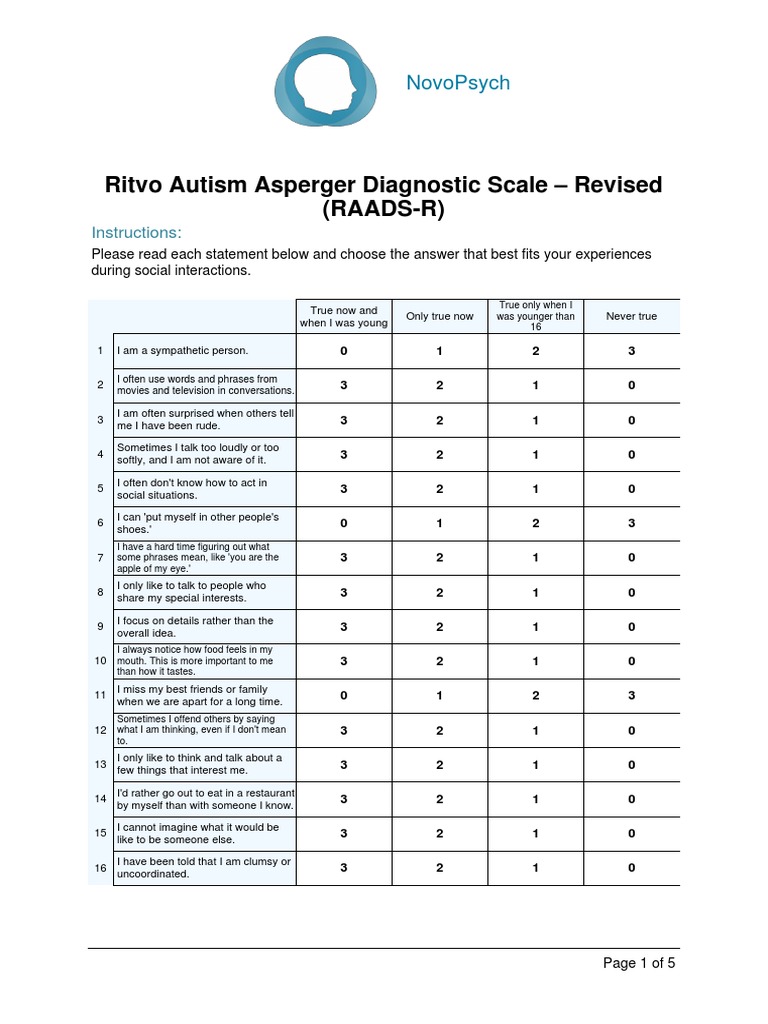
- Mapping out potential providers and their costs Exploring community and online resources Building a support network that can help with paperwork and logistics Staying informed about new grants or policy changes
Remember, every step you take brings you closer to a clearer understanding of yourself—an investment that pays dividends in confidence, relationships, and autism signs in children overall well‑being.
If you’re ready to take the first step, reach out to local clinics, research grants, or even friends who have gone through the process. The lack of financial assistance programs may be a hurdle, but it’s not a wall. With determination, creativity, and community support, you can turn that hurdle into a stepping stone toward a brighter, more informed future.